
Foundation Crack Repair: What Every Homeowner Should Know Before the Problem Gets Worse
Macedonia, United States - February 16, 2026 / StablWall /
Finding a crack in your foundation can stop you in your tracks.
For many homeowners, it raises an immediate flood of questions:
Is this dangerous?
Is my house sinking?
How much is this going to cost?
Did I wait too long?
The truth is, foundation cracks are common, but not all cracks mean the same thing. Some are cosmetic. Others are early warning signs of structural stress. And a few demand immediate attention to prevent serious damage.
This guide breaks down what foundation cracks really mean, how they’re repaired, and how homeowners can make smart, calm decisions before a small issue turns into a major one.
Why Foundation Cracks Happen in the First Place
Foundations are strong, but they are not immune to physics, water, and time.
 Most foundation cracks develop because of one or more of the following forces:
- Soil movement beneath the home
- Hydrostatic pressure from groundwater pushing against basement walls
- Soil expansion and contraction due to moisture changes
- Poor drainage around the foundation
- Natural concrete shrinkage as it cures
- Long-term structural stress from the weight of the home
Concrete is excellent at handling compression (weight pushing down), but it’s far less forgiving when pressure comes from the side or below. Over time, that stress has to release somewhere, and cracks are often the result.
Common Types of Foundation Cracks Homeowners See
Not all cracks tell the same story. The direction, width, and location matter more than most people realize.
Vertical Cracks
Vertical cracks are often caused by normal concrete shrinkage or minor settling. Many are cosmetic, but wider or growing vertical cracks can allow water intrusion and should be evaluated.
Horizontal Cracks
Horizontal cracks are more serious. They typically indicate lateral pressure from soil or water pushing against the foundation wall. These cracks are often linked to structural risk and usually require professional repair.
Stair-Step Cracks
Common in block or brick foundations, stair-step cracks often follow mortar joints and can signal uneven settling or soil movement.
Diagonal Cracks
Diagonal cracks can point to differential settlement, where one part of the foundation is moving differently than another.
Understanding the type of crack is the first step in choosing the correct repair method.
Are Foundation Cracks Always a Structural Problem?
No, and this is where many homeowners panic unnecessarily.
Some cracks are cosmetic, meaning they don’t affect the structural integrity of the home. Others are functional, allowing water, air, or pests inside. And a smaller group are structural, meaning they compromise the strength of the foundation itself.
What separates one from another usually comes down to:
- Crack width
- Crack direction
- Whether it’s growing
- Associated wall movement or bowing
- Signs of water intrusion
A professional inspection helps clarify which category a crack falls into.
Signs a Foundation Crack Shouldn’t Be Ignored
While some cracks are harmless, others deserve prompt attention. Homeowners should consider professional evaluation if they notice:
- Cracks wider than 1/8 inch
- Horizontal cracking
- Bowing or leaning basement walls
- Water seepage through cracks
- Cracks that appear to be growing
- Doors or windows suddenly sticking
- Uneven floors above the foundation
These signs suggest the crack may be tied to ongoing structural stress rather than surface-level issues.
Foundation Crack Repair: What Are the Real Options?
There is no single “one-size-fits-all” foundation crack repair. The right solution depends on why the crack formed, not just where it’s visible.
Epoxy or Polyurethane Injection
Often used for narrow, non-structural cracks. These materials seal the crack to prevent water intrusion and restore some integrity, but they do not correct underlying movement.
Carbon Fiber Reinforcement
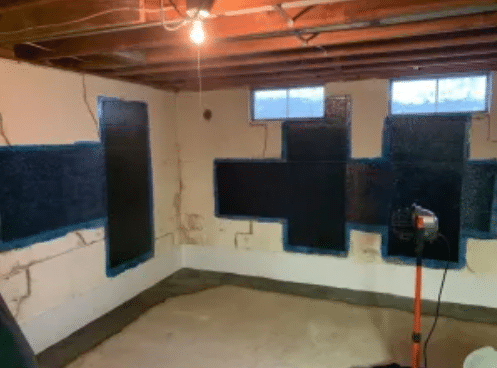
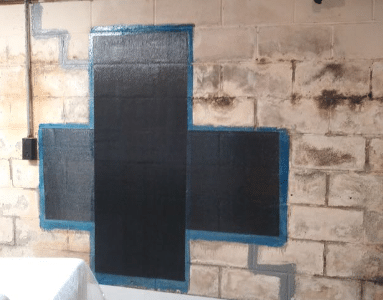
Carbon fiber straps or systems are used to stabilize foundation walls and prevent further movement. This method is commonly used for cracks linked to lateral pressure and is minimally invasive.
Wall Anchors or Bracing Systems
For more severe cases involving wall movement or bowing, anchoring systems may be required to counteract soil pressure and restore wall alignment.
Full Stabilization Solutions
In cases where cracks are symptoms of deeper foundation movement, stabilization systems may be recommended to address the root cause rather than just the visible damage.
A qualified foundation specialist evaluates the structure, soil conditions, and crack behavior before recommending a repair method.
Why “Just Sealing the Crack” Isn’t Always Enough
Many homeowners attempt DIY fixes or quick patch jobs, especially when water is involved. While sealing may temporarily stop leaks, it rarely addresses why the crack formed.
If pressure continues to build behind a foundation wall, the crack may reopen, widen, or reappear nearby. Long-term solutions focus on stopping movement, not just covering symptoms.
This is why professional assessments emphasize stabilization and reinforcement when needed.
How Much Does Foundation Crack Repair Cost?
 Cost is one of the biggest concerns homeowners have, and understandably so.
Foundation crack repair costs vary based on:
- Type of crack
- Severity of damage
- Repair method used
- Accessibility of the affected area
- Whether structural stabilization is required
Minor crack sealing may cost less, while structural reinforcement or stabilization systems represent a larger investment. The key is that early repairs are almost always less expensive than delayed ones.
What Homeowners Often Say After Repair
Homeowners who address foundation cracks early frequently share similar experiences:
- Relief knowing the home is structurally sound
- Peace of mind during heavy rain or seasonal changes
- Improved basement usability
- Reduced moisture and musty odors
- Confidence when selling or refinancing the home
The most common regret is not acting sooner.
Frequently Asked Questions About Foundation Crack Repair
Can foundation cracks get worse over time?
Yes. Cracks caused by ongoing soil movement or water pressure often grow if left unaddressed.
Is foundation crack repair permanent?
When the correct repair method addresses the underlying cause, results are designed to be long-lasting.
Can I sell my home with foundation cracks?
Yes, but unresolved foundation issues may affect value, negotiations, or buyer confidence.
How long does foundation crack repair take?
Many repairs are completed in a day or less, depending on the method and scope.
When to Call a Professional
If you’re unsure whether a crack is cosmetic or structural, that uncertainty alone is reason enough to seek professional guidance.
Companies like Stablwall focus on diagnosing the cause of foundation cracks and recommending solutions that stabilize homes for the long term, not just the surface.
The Bottom Line for Homeowners
Foundation cracks are common, but ignoring them can be costly.
The goal of foundation crack repair isn’t just to make a crack disappear. It’s to ensure your home remains safe, stable, and protected against future movement.
Understanding the difference between cosmetic cracks and structural warning signs empowers homeowners to act confidently instead of react emotionally.
Early awareness, proper evaluation, and the right repair method can prevent small cracks from becoming big problems.

Contact Information:
StablWall
349 Highland Rd
Macedonia, OH 44056
United States
Nick DiCello
(866) 782-5955
https://stablwall.com/