
How Cracks in Your Foundation Can Lead to Crawlspace Flooding Problems
Carnegie, United States - February 6, 2026 / Highlander Waterproofing & Foundation Repair /
Ever noticed a crack creeping up the side of your home’s foundation? You might think it’s just an aesthetic concern, but what if it’s more? What if that seemingly harmless fissure could lead to your crawlspace becoming a flooded mess? Foundation cracks can indeed be a ticket for water to seep into your crawlspace, but how does that happen exactly, and what are the implications? Let’s explore this further, shall we?
Key Takeaways
- Foundation cracks can lead to crawlspace flooding by allowing water from rain, groundwater, or leaks to infiltrate.
- Lower-positioned cracks are particularly troubling as they facilitate more severe water ingress.
- Continuous water seepage through cracks can exacerbate the issue by widening existing cracks and increasing flooding.
- In addition to water, cracks can also allow pests and radon gas to enter, further complicating the situation.
- Preventative measures include regular foundation inspections, improving drainage systems, repairing cracks promptly, and professional assessment to accurately identify and address underlying issues.
Understanding Foundation Cracks
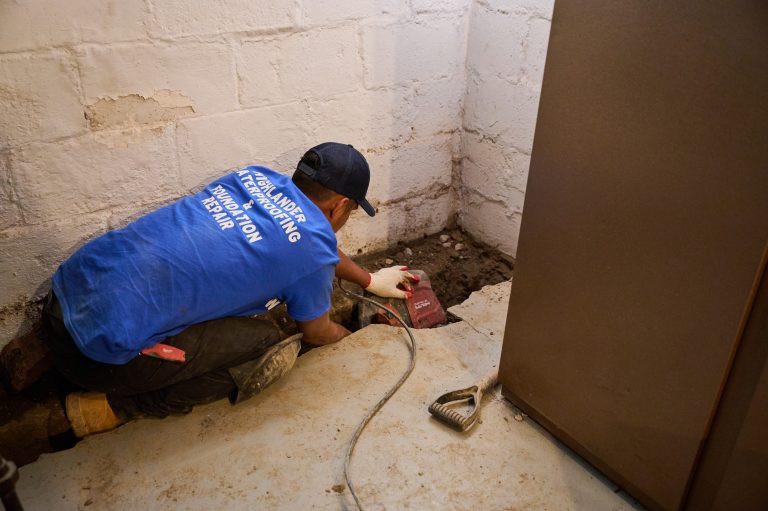 Imagine walking into your basement and spotting a spiderweb-like crack spreading across your foundation wall. You’re puzzled and somewhat alarmed. You’re not a structural engineer, but you know enough to realize that this isn’t a good sign.
Foundation cracks, whether they’re hairline fractures or more substantial breaks, are more than just an eyesore. They’re a sign that something’s not right with your home’s structural integrity. If left unattended, they can progress from a minor nuisance to a major problem.
The cracks can appear anywhere on your foundation, but they’re most commonly found on the walls and floor. They come in various shapes and sizes, from tiny, barely noticeable fissures to large, gaping holes. They can be vertical, horizontal, or diagonal, and their orientation can give clues about the underlying problem.
But don’t panic just yet. Not all foundation cracks are cause for immediate concern. Some are simply the result of normal house settling and don’t pose a serious threat to your home.
However, it’s always wise to keep an eye on them and seek professional advice if they start to grow or multiply.
Causes of Foundation Cracks
You might think your foundation is invincible, but several factors can contribute to its cracking. The biggest culprit? Soil movement. If the ground around your home expands or contracts too much, it can exert pressure on your foundation, leading to cracks. Conditions like drought, flooding, or poor drainage can cause the soil to behave this way.
Another factor is the freeze-thaw cycle. In cold climates, water in the ground can freeze, expand, and then contract when it thaws. This cycle can cause the soil to shift, putting pressure on the foundation and causing cracks.
Aging is also a significant factor. Over time, materials break down and weaken. This is especially true for concrete foundations, which can develop tiny cracks that expand over time due to weathering and moisture.
Improper construction practices can also lead to foundation cracks. If the builder didn’t adequately prepare the soil before pouring the foundation or used substandard materials, the foundation could be more susceptible to cracking.
The Link Between Foundation Cracks and Flooding
You’re aware of what foundation cracks are, but have you ever linked them to crawlspace flooding?
It’s essential to understand this connection to prevent serious water damage to your property.
Over the next few paragraphs, we’ll explore this relationship in detail.
Understanding Foundation Cracks
In the world of home maintenance, few things are more troubling than foundation cracks. These are typically the result of your house settling over time, but they can also indicate more serious issues. It’s important to understand what they mean and how they can lead to problems such as crawlspace flooding.
Foundation cracks can vary in size, from tiny hairline fractures to larger, more noticeable gaps. Regardless of the size, you shouldn’t ignore these signs. Even small cracks can let in water, leading to dampness and potential flooding in your crawlspace.
Over time, as water continually seeps in, the cracks can widen and worsen, exacerbating the issue and potentially leading to structural instability.
Getting to grips with foundation cracks isn’t just about spotting them early. It’s also about understanding their implications. They can be a gateway for water, pests, and even radon gas, all of which can create an unhealthy environment in your home.
Causes of Crawlspace Flooding
Shifting our focus from foundation cracks, let’s explore how these can lead to crawlspace flooding. Understandably, you might wonder, “How can a simple crack cause such an issue?” Well, it’s not as simple as it seems.
When there’s a crack in your foundation, it’s like an open invitation to water. Rainwater, groundwater, or even water from a leaky pipe can seep into these cracks. Over time, this water accumulation can lead to flooding in your crawlspace.
It’s not just the size of the crack that matters, but also its location. Cracks located near the ground level or those that penetrate deep into the foundation are particularly problematic, as they allow more water to enter the crawlspace.
But that’s not all. Poor drainage around your house can exacerbate the problem. If water isn’t properly directed away from your home, it’ll increase the pressure on your foundation, causing more cracks to form and existing ones to widen.
This leads to more water seeping in, creating a vicious cycle of crawlspace flooding. So, yes, those seemingly insignificant foundation cracks can indeed lead to crawlspace flooding if left unchecked.
Preventing Serious Water Damage
Armed with the knowledge of how foundation cracks can lead to crawlspace flooding, it’s important to take proactive steps to prevent serious water damage. You can start by inspecting your foundation regularly. Look for cracks and signs of water seepage. If you spot any, repair them immediately. If you’re unsure, consult with a professional.
Another vital aspect is improving your property’s drainage. Make sure your gutters and downspouts are clean and directing water away from your foundation. Install a sump pump in your crawlspace if you don’t have one.
Finally, consider waterproofing your foundation. This can be a significant investment, but it’s worth it to protect your home.
Here’s a quick table to summarize:
| Action | Benefit |
|---|---|
| Regular Inspection | Early Detection of Cracks |
| Improve Drainage | Prevents Water Accumulation |
| Install Sump Pump | Removes Accumulated Water |
| Waterproof Foundation | Provides Long-term Protection |
Signs of Crawlspace Flooding
Often, you may overlook the signs of crawlspace flooding until it’s too late. It’s crucial to be vigilant and aware of what’s happening beneath your home. The problem isn’t always as obvious as standing water or a visible leak. Other signs are more subtle but just as indicative of an issue.
Be on the lookout for dampness or a musty smell. This is often the first sign of excess moisture in your crawlspace. If you notice a persistent dampness, it’s time to investigate further.
Another common sign is the presence of mold. Mold thrives in damp, dark environments like a flooded crawlspace. If you see or smell mold, it’s a clear sign that water is getting in where it shouldn’t be.
Lastly, pay attention to the condition of your home’s foundation. If you notice cracks or crumbling, it could be due to water damage from a flooded crawlspace.
- Dampness or a musty smell
- Presence of mold
- Cracks or crumbling in the foundation
These signs aren’t to be taken lightly. If you notice any of them, it’s time to take action before the situation worsens.
Implications of Crawlspace Flooding
Now that you’re aware of the signs of crawlspace flooding, let’s consider the implications.
You’ll need to understand how to identify water damage, the potential health hazards of flooding, and ways to prevent future floods in your crawlspace.
It’s essential to address these issues promptly to maintain the structural integrity of your home and protect your family’s health.
Identifying Crawlspace Water Damage
In the wake of a heavy rain or flood, your crawlspace may be a hidden disaster zone. It’s essential to identify water damage early on to mitigate its impact. Water damage isn’t always obvious, but there are key signs you should look for.
Mold is often the first and most visible sign of water damage. Its musty odor and dark, fuzzy appearance are hard to miss. If you notice mold in your crawlspace, it’s a clear indication of a moisture problem.
Another sign is wood rot. Waterlogged wood becomes soft and crumbly, leading to structural instability. If your wooden beams and supports are deteriorating, it may be due to water damage.
Finally, you may notice standing water or damp spots. It’s a glaring red flag that signals poor drainage or possible leaks.
To summarize, be vigilant for:
- Mold growth
- Wood rot
- Standing water or damp spots
These signs could indicate water damage in your crawlspace. Identifying these signs early can save you from extensive repairs and preserve the integrity of your home.
Health Hazards of Flooding
Beyond the structural issues, a flooded crawlspace also poses serious health risks to you and your family. The stagnant water can become a breeding ground for mold and mildew. These fungi can easily spread throughout your home, contaminating the air you breathe. Long-term exposure to mold spores can lead to respiratory issues, allergies, and even more serious health conditions.
Moreover, floodwater often carries harmful bacteria, viruses, and parasites. If it seeps into your home, it can contaminate surfaces, food, and water supplies. This can cause gastrointestinal illnesses and other infections, particularly in children and the elderly who’ve weaker immune systems.
Flooding can also attract pests like rodents and insects, which often carry diseases. They can easily infiltrate your home through the crawlspace, putting you at risk of pest-borne infections.
Lastly, electrical systems can also be damaged in a flood, posing a risk of electrocution.
And if you attempt to clean up the flood without the right protective gear, you’re exposing yourself to all these health risks directly.
Preventing Future Crawlspace Floods
Understanding the dangers of crawlspace flooding is only half the battle; what’s vital is taking proactive measures to prevent future floods. Prevention is key, and it starts with recognizing the potential causes, such as foundation cracks or poor drainage systems.
Firstly, inspect your foundation regularly. You’re looking for any signs of damage. Cracks, even small ones, can let water seep in, leading to flooding. If you spot any, it’s important to repair them promptly.
Secondly, make certain your home’s drainage system is functioning correctly. This includes your gutters, downspouts, and land grading. They should all direct water away from your home’s foundation.
Lastly, consider installing a sump pump in your crawlspace. This device will automatically pump out any water that collects there, preventing the buildup that can lead to flooding.
To recap:
- Regularly inspect your foundation for cracks and repair them promptly
- Make certain your home’s drainage system is effective in directing water away from your foundation
- Install a sump pump in your crawlspace to automatically remove any collected water
Preventing Foundation Cracks
Proactive measures can save your home from the invisible enemy, foundation cracks.
You’re probably wondering what you can do to prevent this menace. Well, maintaining proper drainage around your house is a good start. Confirm your gutters, downspouts, and the slope of your yard all guide water away from your foundation. The idea is to keep water from pooling around your home, which can cause soil to expand and put pressure on your foundation.
Regularly inspect your foundation for minor cracks. They’re a normal part of a house settling, but it’s essential to address them before they get worse. You don’t have to panic. Small cracks can be sealed with epoxy to prevent water intrusion and further damage.
Lastly, don’t neglect your home’s plumbing. Leaky pipes can saturate the soil around your foundation, leading to significant problems. Regular check-ups can catch issues early on.
Solutions for Crawlspace Flooding
While taking steps to prevent foundation cracks is highly beneficial, it’s equally important to address another common issue homeowners face – crawlspace flooding.
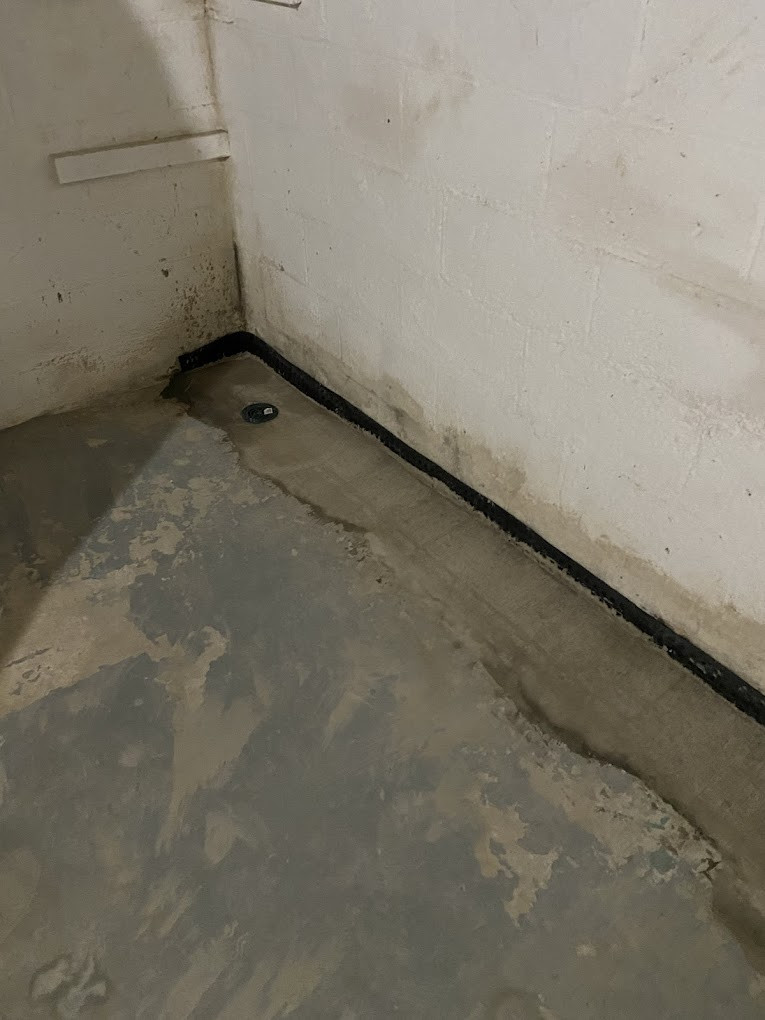 Dealing with this can be a significant challenge. However, there are numerous solutions to keep your crawlspace dry and safe.
Implementing a proper drainage system is key. This involves installing French drains to guide water away from your home, or using sump pumps to remove water that has collected in your crawlspace.
Another technique is encapsulation. It’s a process where a heavy-duty polyethylene barrier is used to completely cover your crawlspace. This barrier keeps moisture out, helping to prevent the growth of mold and mildew.
Lastly, you should consider improving the ventilation in your crawlspace. Good ventilation can help reduce humidity levels, further discouraging the growth of mold and mildew.
To quickly summarize:
- Implement a proper drainage system
- Encapsulate your crawlspace
- Improve crawlspace ventilation
Professional Help for Foundation Repair
When it comes to foundation repair, it’s often best to call in the professionals. They’re equipped with the right tools and knowledge needed to address and rectify the problem safely and effectively.
You might be tempted to make it a DIY project, but remember, foundation repair isn’t just about filling in the cracks. It’s about identifying the underlying issues, which can be complex.
Professional foundation repair companies have trained experts who can detect and assess the damage accurately. They’ll inspect your foundation thoroughly and determine the best course of action.
You’ll get a detailed explanation of what’s wrong, and they’ll present you with a plan to fix it. This could involve sealing cracks, installing drainage solutions, or even major operations like underpinning.
You’ve seen how foundation cracks can cause crawlspace flooding. It’s essential to spot signs of flooding early and address foundation issues promptly. If left unchecked, you’re risking mold growth, structural damage, and health problems. Don’t wait for the situation to worsen. Start taking preventive measures now, or better yet, seek professional help for foundation repair. Remember, a solid foundation isn’t just about having a strong house; it’s about securing your home’s safety and health.

Contact Information:
Highlander Waterproofing & Foundation Repair
600 N Bell Avenue #210B
Carnegie, PA 15106
United States
Giulio Bevilacqua
(877) 415-0564
https://highlanderwaterproofing.com/